

Once you receive your offer to study medicine abroad, the next big question is where you will live. Finding accommodation as an international student can feel overwhelming, especially if you are moving to a country you have never visited before.
This guide will walk you through how to find student accommodation when studying medicine in Europe. It covers the types of housing available, how to book, and what to look out for before signing any contract.
When Should You Start Looking?
As soon as you confirm your place, start researching your accommodation options. Most universities begin allocating housing between June and August for an October intake. The earlier you start, the more choice you will have.
If you are applying through Medconnect Europe, our team can help you explore housing options as soon as your offer is confirmed.
Step 1: Decide What Type of Accommodation You Want
There are three main types of housing for students studying abroad:
1. University Dormitories
These are often located on or near the campus and are usually the most affordable option. Dorms may offer shared or single rooms, with shared kitchens and bathrooms.
Pros:
- Lower cost
- Close to university
- Easier to meet other students
Cons:
- Limited privacy
- May have shared facilities
2. Private Student Housing
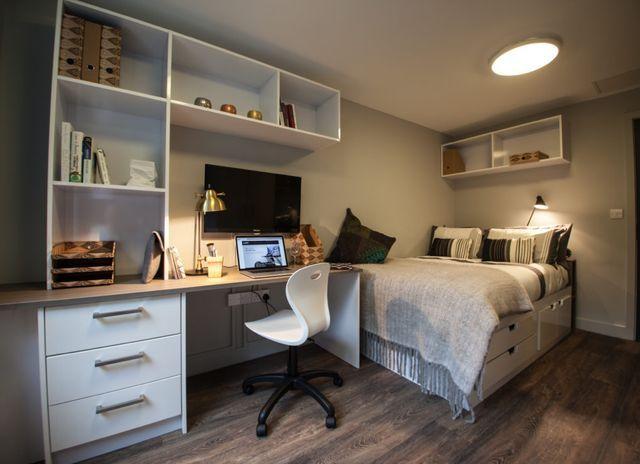
These are purpose-built student buildings owned by private companies. They offer more modern facilities, private rooms or studios, and often include bills.
Pros:
- Modern and secure
- Fully furnished
- Student-only environment
Cons:
- More expensive than dormitories
- Limited availability in smaller cities
3. Private Rentals
You can rent a flat or house from a private landlord. This may be a good option for students who want more independence or are sharing with friends.
Pros:
- More space and flexibility
- Choose your location
- Can be cheaper when sharing
Cons:
- Often unfurnished
- May require a local guarantor or higher deposit
Step 2: Start Searching on the Right Platforms
Here are some reliable ways to find student accommodation abroad:
- University accommodation office – many offer housing directly or provide lists of trusted providers
- Medconnect Europe support team – we work with trusted local housing agencies in each country
- Student housing platforms – such as Spotahome, Uniplaces, and HousingAnywhere
- Facebook groups – search for groups like “Medical Students in Tbilisi” or “International Students in Plovdiv”
- Local rental websites – use with caution and be sure to verify listings
Always read reviews and ask for recent photos or video tours if possible.
Step 3: Understand What Is Included
Before you sign a rental agreement, make sure you know what is covered in the monthly rent.
Things to check:
- Is the rent per person or per apartment?
- Are bills included? (electricity, internet, heating, water)
- Is the apartment furnished or unfurnished?
- What is the minimum contract length?
- Is there a security deposit? How and when is it returned?
Make sure everything is written in the contract. If anything is unclear, ask before you sign.
Step 4: Be Aware of Common Mistakes
Do not:
- Pay any money before viewing or verifying the property
- Send money via insecure methods like Western Union
- Sign a contract you do not understand
- Assume everything is included without checking
If a deal looks too good to be true, it probably is. Stick with trusted providers or ask your university or Medconnect Europe for recommendations.
Step 5: Prepare for Arrival
Once you have secured your accommodation, keep copies of your contract, payment receipts, and landlord contact details. You may also need:
- A letter from the university to confirm your student status
- Passport and visa details
- Proof of health insurance
- A few basic household items if your place is not fully furnished
If you are arriving in a new city, plan to arrive a few days before classes begin so you have time to settle in.
How Medconnect Europe Can Help
We support students with accommodation advice as part of our full application service. Once you are accepted into a medical school abroad, we can help you:
- Choose between dorms and private housing
- Connect with trusted local agents
- Find options near your university
- Avoid scams or risky landlords
- Understand your contract before signing
Our goal is to make your move smooth, so you can focus on your studies and enjoy the experience of living abroad.
Final Thoughts
Finding accommodation as a medical student abroad is an important step in your journey. With the right support and some early planning, you can find a safe, comfortable place to live while you complete your degree.
Start looking as soon as you confirm your place, check every detail before signing anything, and do not hesitate to ask for help.